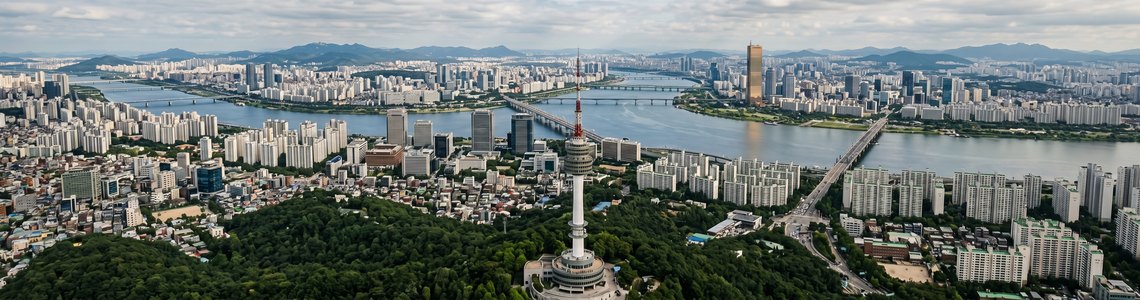
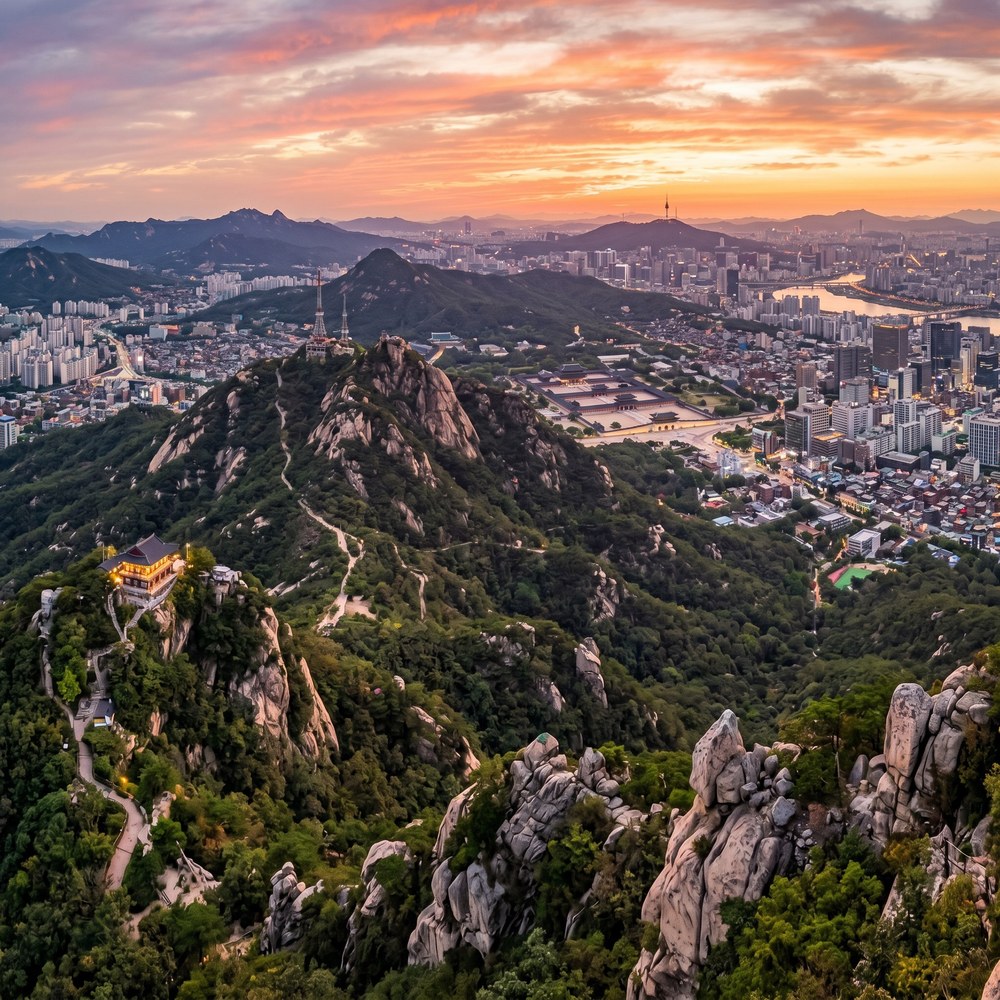
Seoul has an exciting landscape, with a harmonious blend of mountains, water, and skyscrapers.
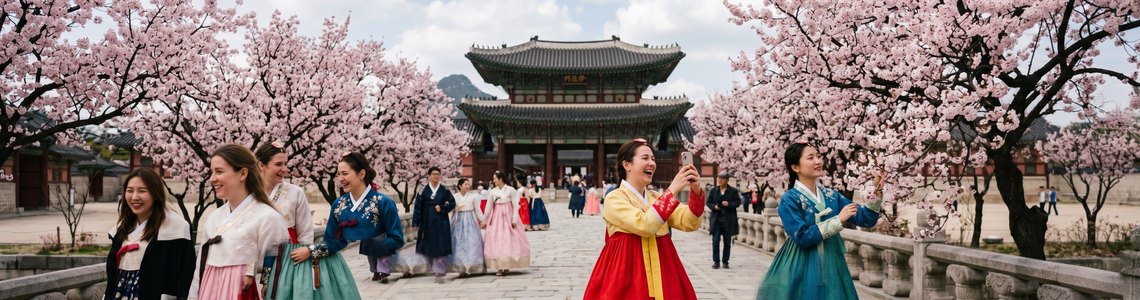
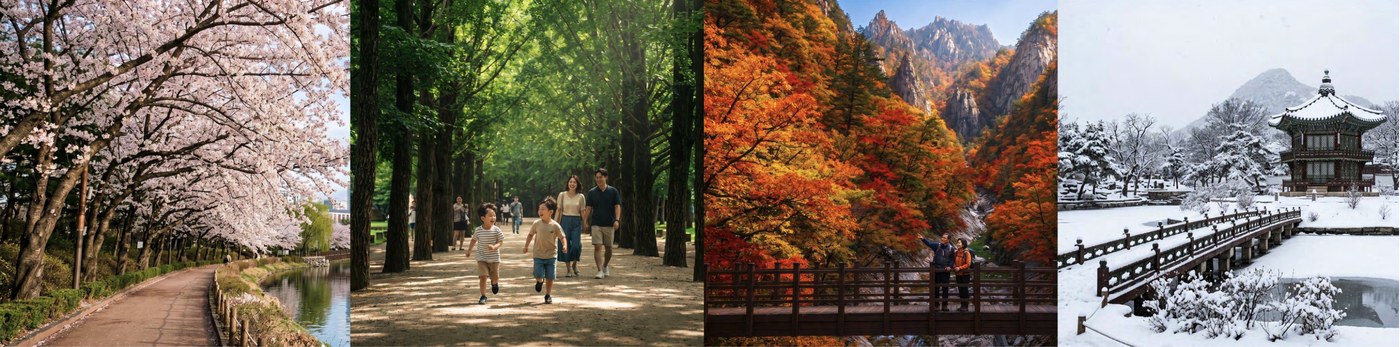
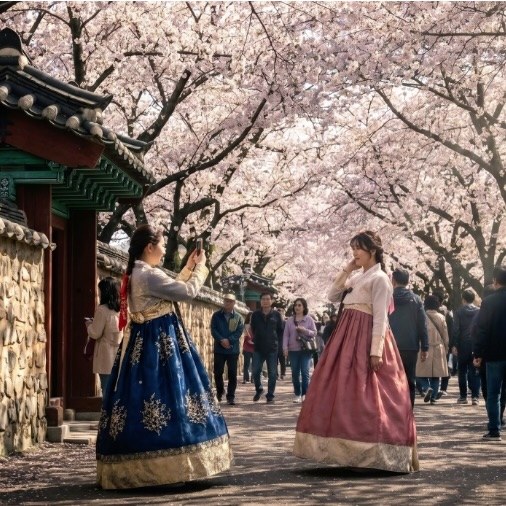
The spring cherry blossom season in Korea is a beautiful gift from our Creator.
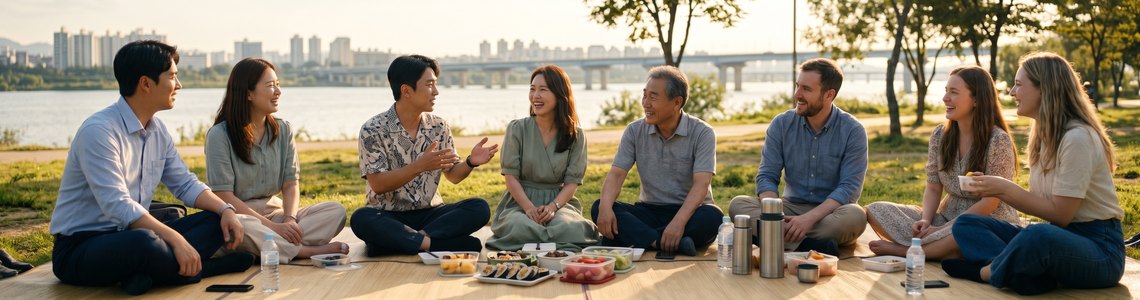
We hope you enjoy many happy times as you form lasting friendships with brothers and sisters from around the world.
Jehovah’s family enjoys precious unity.
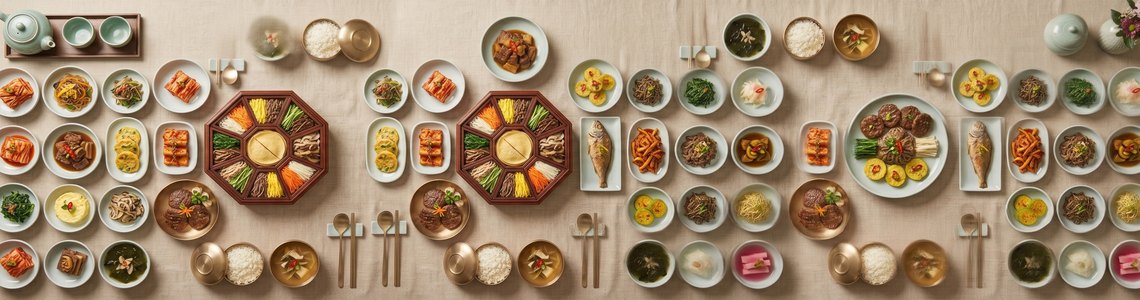
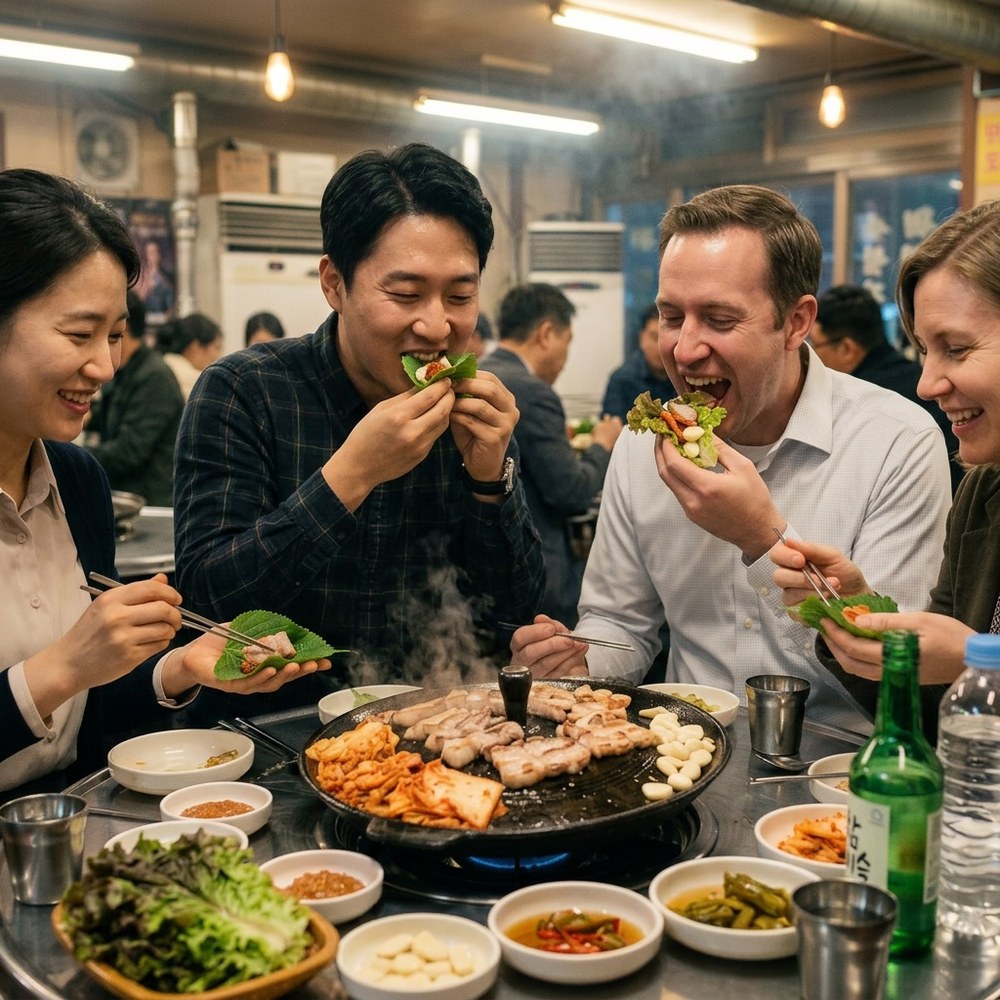
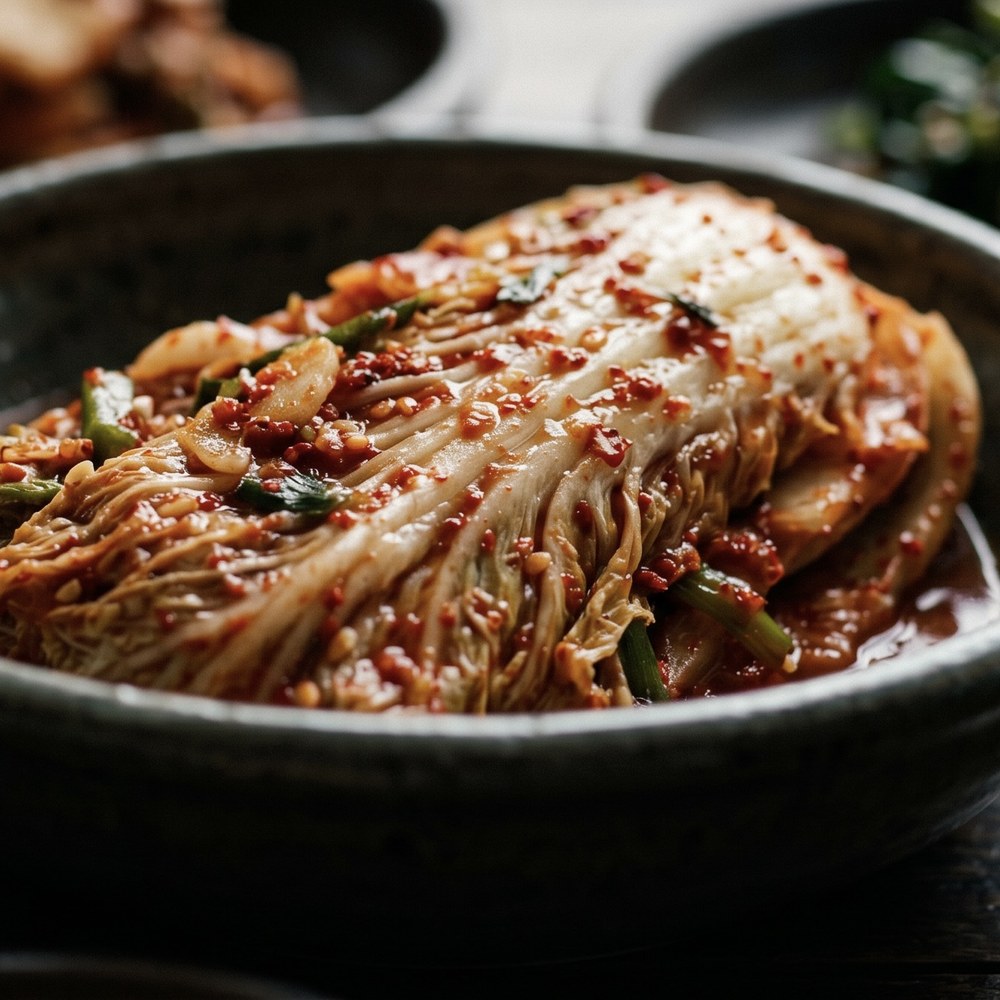
Something you cannot miss is a Korean meal with “banchan,” a signature spread of multicolored side dishes.
Land and People
Population:
About 51 million
Capital:
Seoul
Official language:
Korean (including Korean Sign Language)
Geography
Seoul is a unique city where you can enjoy the wide Han River, rugged mountains and soaring skyscrapers all together.
Korea lies on the Korean Peninsula in Northeast Asia, surrounded on three sides by the sea. Approximately 70 percent of the land is mountainous, with rolling green mountains often defining the landscape when viewed from above. The Han River flows east to west through Seoul.
Did you know?
How many mountains are there to hike in central Seoul? More than 30! Many are easily reached by subway or bus, and Bukhansan National Park holds a Guinness World Record as the most visited national park per unit area.
Climate
Nestled between mountains and seas, Korea experiences four distinct seasons, from cherry blossoms in spring to snowy winters. By mid-September, the summer heat fades and cool breezes arrive. Toward the end of September, the mountains gradually turn red and gold with autumn colors.
From cherry blossoms in spring to snowy winters, Korea experiences four distinct seasons.
People
“Have you eaten?” is a common greeting in Korea. Let’s enjoy a meal together!
The true beauty of Korea comes from its people. Koreans often speak of “jeong,” a uniquely Korean sense of warmth, affection, and closeness. Even with strangers, people may ask, “Have you eaten?” as a caring greeting. Kindness, courtesy, and respect for elders remain deeply rooted in daily life. Korea is also home to many foreign communities, giving our brothers and sisters the joy of sharing the good news in many languages.
Language
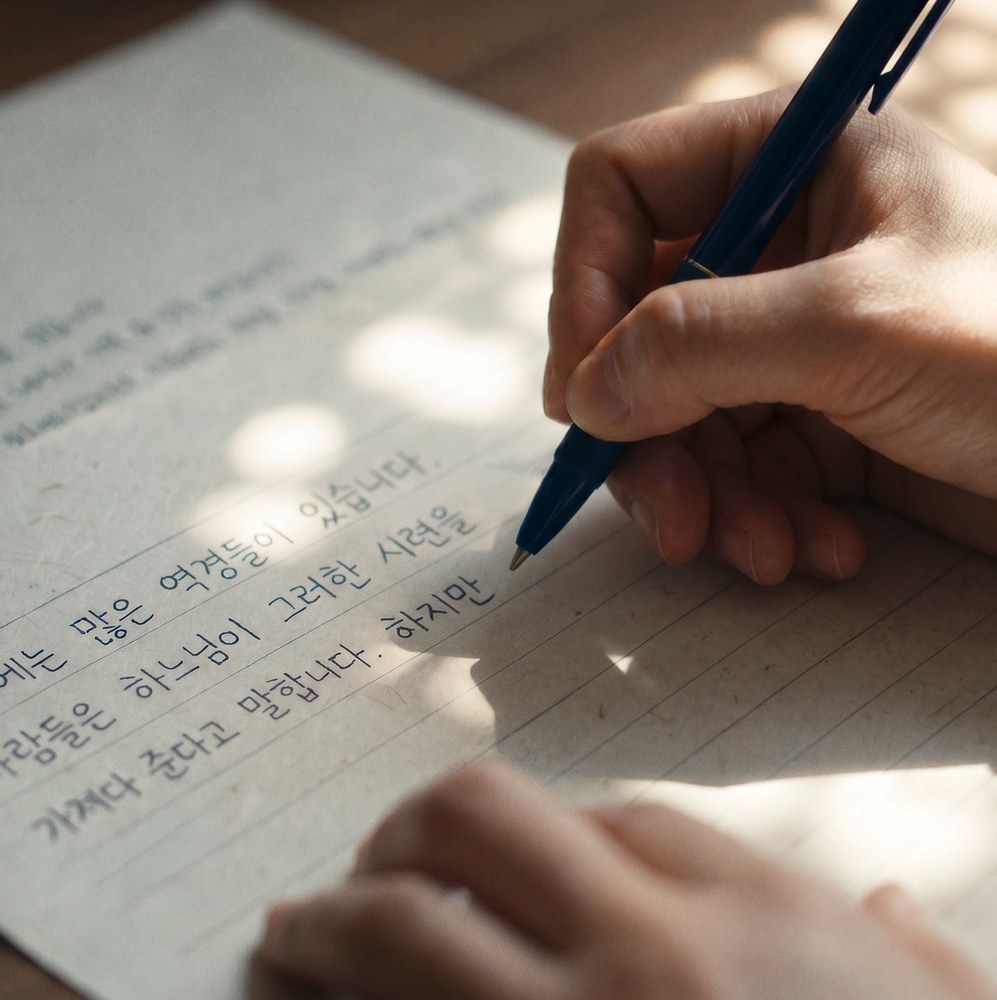
Hangul, the Korean alphabet, is an ingenious yet easy-to-learn writing system made up of dots, lines, and circles.
To experience Korea’s warmth, all it takes is a simple “Annyeong-haseyo!” (“Hello”). Korean is written in Hangul, the alphabet created in 1443 by King Sejong so that ordinary people could easily learn to read and write. Korean Sign Language is also recognized as an official language. In addition to Korean, congregations and groups operate in more than 16 languages, including Korean Sign Language, English, Chinese, Russian, Vietnamese, Nepali, Japanese and more.
Did you know?
Hangul is regarded as one of the world’s most scientific writing systems. Thanks to its systematic design, anyone can learn to read Hangul in a short period of time. In recognition of its significance, UNESCO added the Hunminjeongeum Haerye, which explains the principles of Hangul’s creation, to its Memory of the World Register in 1997.
Food
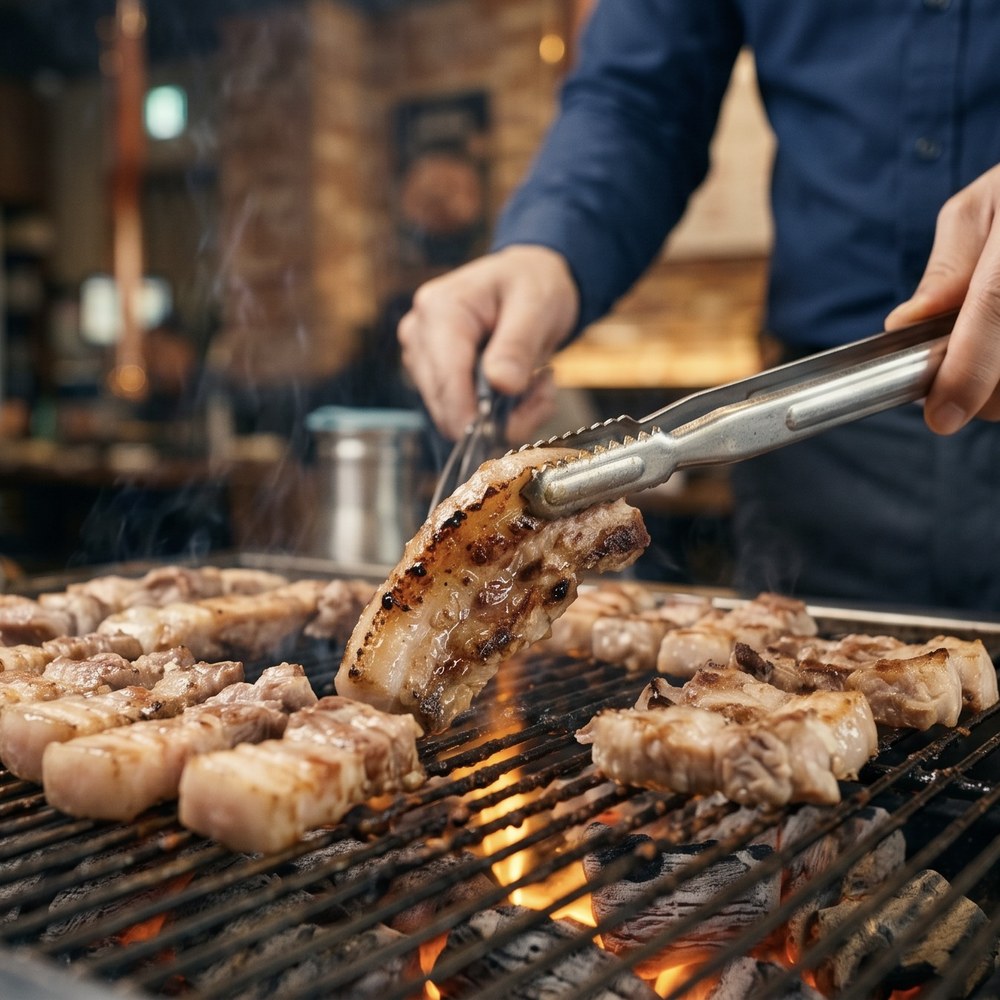
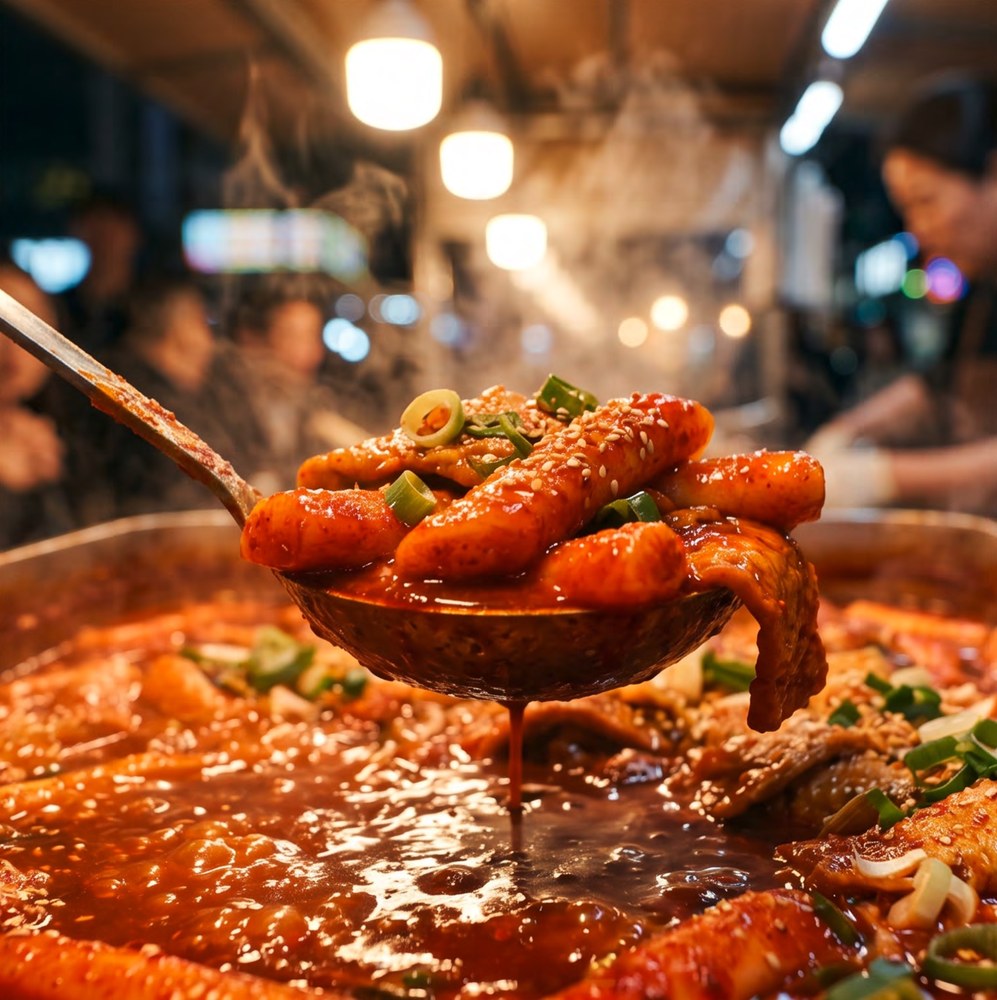
Korean cuisine aims to enhance the natural flavors of ingredients while adding depth through seasonings and fermentation. During your visit, try bulgogi marinated in a sweet sauce, samgyeopsal (pork belly) sizzling on a grill, and classic Korean-style barbecue featuring grilled meat wrapped in fresh lettuce leaves with ssamjang sauce. Other highlights include crispy fried chicken and street foods such as chewy tteokbokki or hotteok filled with cinnamon sugar. In September, you can enjoy freshly harvested rice and songpyeon, half-moon-shaped rice cakes traditionally made around Chuseok (Korean Thanksgiving).
Bulgogi — beef marinated in a sweet sauce, a beloved Korean dish.
Samgyeopsal — Korean-style barbecue, a popular dish in Korea.
Tteokbokki, Korea’s ubiquitous street food — you won’t be able to resist its sweet and spicy taste.
Did you know?
There are over 100 varieties of kimchi in Korea. Aside from the widely known napa cabbage kimchi, you may find many unique varieties like crunchy kkakdugi (cubed radish kimchi), oisobagi (stuffed cucumber kimchi), buchu kimchi (chive kimchi), and mulkimchi (watery kimchi), among many others. Recipes vary by region, season, and household. How many varieties of kimchi will you try during your stay?
Tourist Sites
Wear a hanbok and walk the same palace paths people did 600 years ago.
Visitors are encouraged to step back into the Joseon Dynasty as they stroll through the courtyards of Gyeongbokgung Palace and Changdeokgung Palace (a UNESCO World Heritage Site), which preserve over 600 years of history. Nearby, the traditional teahouses in Insadong or the quiet alleys of Bukchon Hanok Village are a peaceful contrast to the modern city. Located in the center of Seoul, Namsan Seoul Tower offers panoramic views of the city skyline. For those with more time, a day trip to Busan or Jeju Island, home to a UNESCO World Heritage Site, is possible by KTX high-speed train or a short flight.
Did you know?
There are a total of five royal palaces of the Joseon Dynasty in Seoul today — Gyeongbokgung, Changdeokgung, Changgyeonggung, Deoksugung, and Gyeonghuigung. Among them, the first four palaces listed offer free admission to visitors who wear a hanbok. With many hanbok rental shops around the palaces, anyone can wear a hanbok and walk the same paths people did 600 years ago. Visiting these historic palaces is a special experience that visitors of all ages can enjoy together.
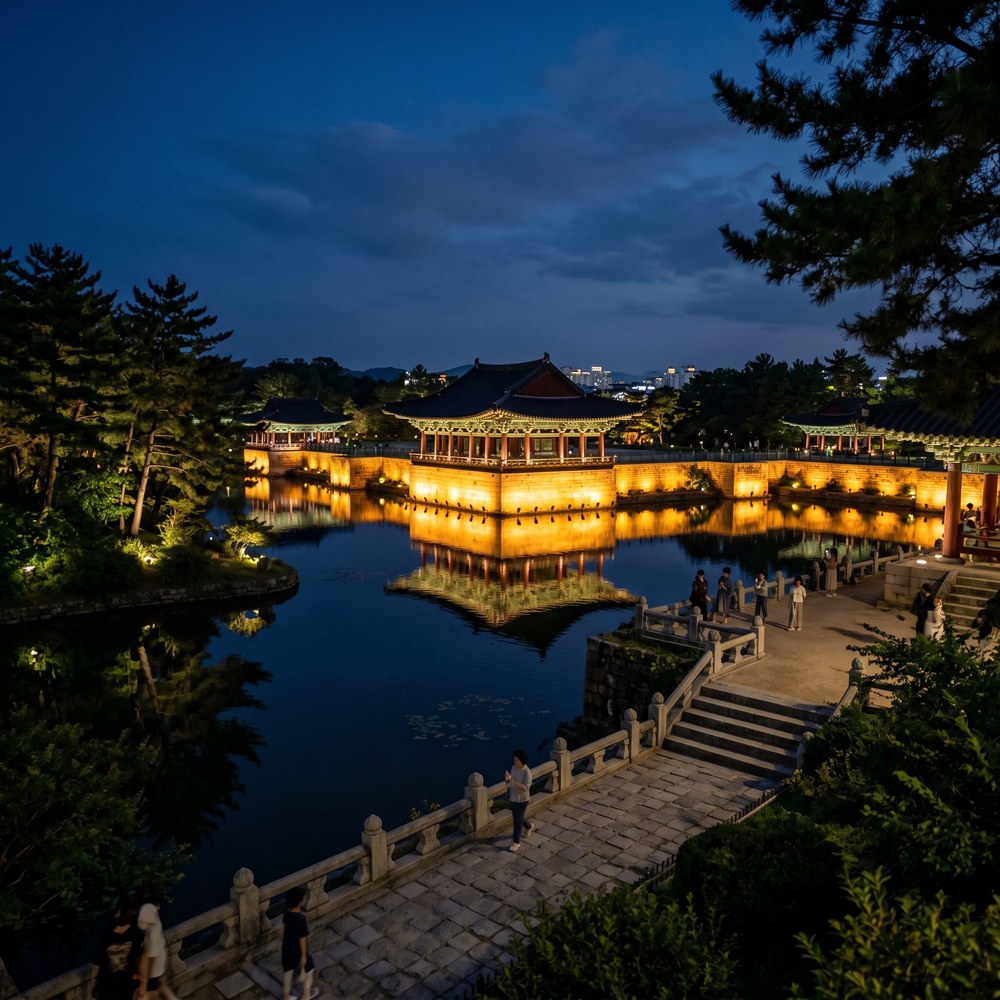
The graceful lines of the pavilion at Anapji Pond, in Gyeongju, create an enchanting nightscape.
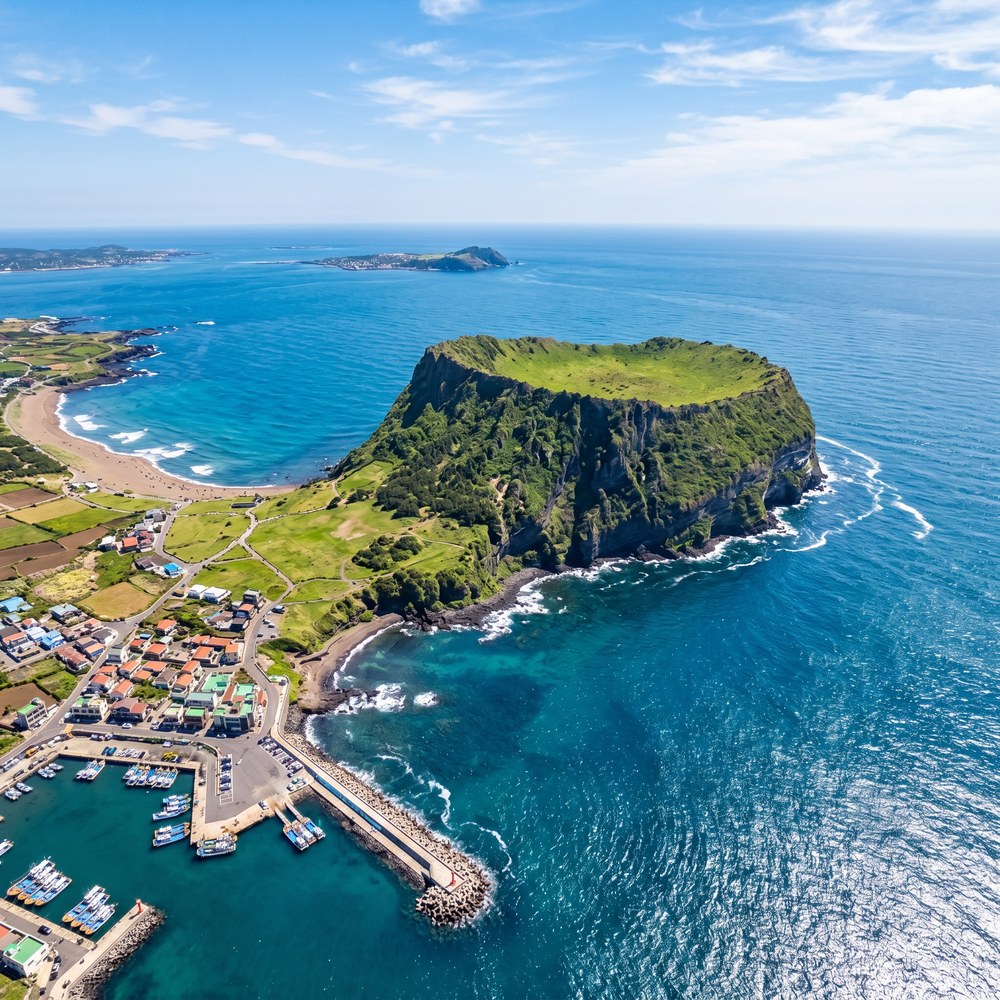
The volcanic crater of Seongsan Ilchulbong, on Jeju Island, moves one to praise our Grand Creator.
Suggested additional reading material:
Autumn—A Spectacular Time of Year - g01 10/8 pp.16-18